A Taste of Hospitality at a Cafe in Monument, CO
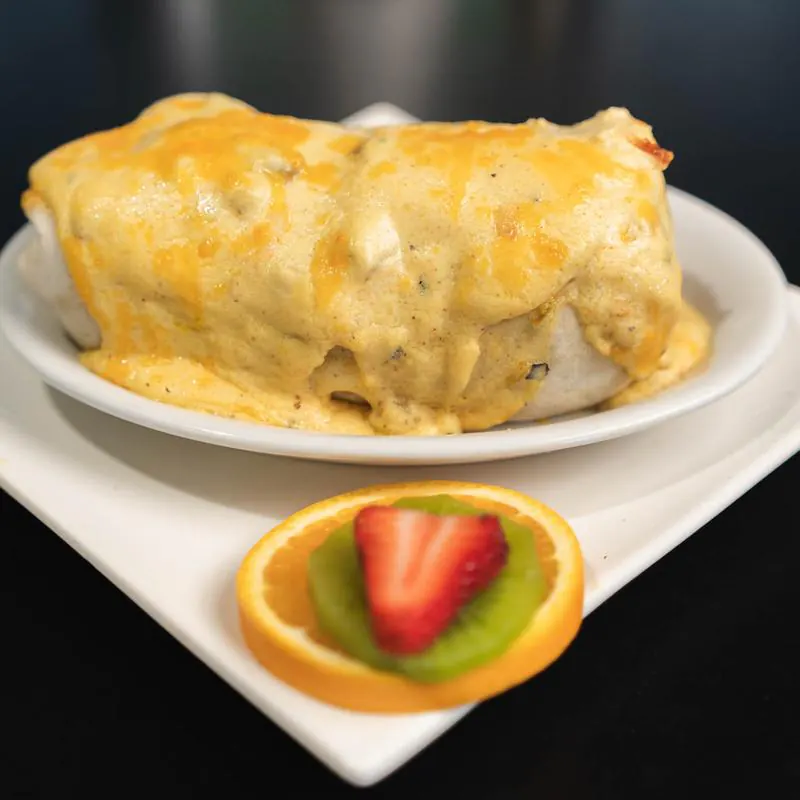
Hospitality is easy to talk about and harder to deliver. Most cafe owners can describe the feeling they want guests to have, but only a handful build it into the room, the menu, the service rhythm, and the tiny moments people remember on the drive home. In a town like Monument, Colorado, those details matter even more. People do not simply stop in for caffeine. They meet neighbors, hold informal business conversations, settle in after a morning walk, warm up after a cold start, or give themselves a quiet hour before the day gets loud.
That is why a great cafe in Monument has to offer more than decent coffee and a clean pastry case. It has to understand the local pace. Monument sits in a distinctive pocket along the Front Range, where residents often want both efficiency and comfort. They appreciate speed when they are headed to work or school, but they also notice when a place feels sincere. The balance is delicate. If service becomes too polished, it can feel stiff. If it becomes too casual, standards slip. The best kind of hospitality lands in the middle, personal without becoming performative, capable without showing off.
When people search for a Cafe Monument, CO locals would recommend, they are often looking for that balance even if they do not say it out loud. They want a place where the coffee is dependable, the food feels thoughtfully prepared, and the room invites them to stay a little longer than planned. That blend of quality and welcome is what gives a neighborhood cafe its staying power.
What hospitality actually tastes like
People usually think of hospitality as an attitude, but in food service it also has flavor. It tastes like coffee that was dialed in that morning instead of rushed out because the line started forming. It tastes like eggs cooked with care rather than held too long under heat. It tastes like a fresh baked item that still has texture and character, not just sugar and nostalgia doing the work.
A cafe can have beautiful decor and still miss the point if what arrives at the table feels indifferent. Guests know the difference almost immediately. You see it in how they take the first sip, set the cup down, and look around the room. A good first impression buys patience. A weak one makes every other detail feel less generous.
At a truly welcoming cafe, hospitality shows up in the food and drink through consistency. That word is not glamorous, but it is the backbone of trust. If a guest orders the same cappuccino three Saturdays in a row, it should have the same body, milk texture, and temperature each time, even if a different barista is behind the machine. If the breakfast sandwich is a signature item, the bread should be toasted correctly, the proportions should make sense, and the ingredients should support each other rather than compete.
This is one of the least discussed parts of hospitality. Warm smiles matter, of course, but people return because the experience holds together. They feel taken care of when quality is not left to chance.
The room sets the tone before anyone speaks
Long before a staff member says hello, a guest is reading the room. They are taking in the light, the noise level, the spacing between tables, the cleanliness of the condiment station, even the way people already seated seem to feel. A cafe can be small and still feel generous. It can be busy and still feel calm. Those outcomes come from careful choices.
In Monument, a cafe often serves several types of customers at once. You might have a retired couple sharing a pastry in one corner, a parent with a stroller near the window, two contractors grabbing coffee to go, and someone with a laptop trying to get ninety minutes of focused work done. Hospitality means creating a room where none of those people feels like an inconvenience.
That usually starts with flow. Where do guests enter, queue, order, wait, and settle? If traffic crosses awkwardly, the room picks up tension fast. If pick-up orders pile up near the entrance, people feel crowded. If tables are packed so tightly that every conversation spills into the next one, guests cut visits short. Good cafes solve these issues quietly. They do not make people think about logistics. They simply make movement feel easy.
Sound matters just as much. In many cafes, music is treated like filler. In strong operations, it is part of the service design. Too loud, and guests stop lingering. Too soft, and every clatter from the bar becomes the soundtrack. The sweet spot lets conversation happen without strain and gives solo guests enough privacy to relax. That judgment takes discipline, especially during busy hours when staff can become less aware of the room than the people sitting in it.
Service that feels human, not scripted
One of the easiest ways to spot a cafe that understands hospitality is to notice how staff members talk to regulars, first-time visitors, and uncertain customers. The language is different, but the respect is the same.
Some guests know exactly what they want. Others need a minute. Some are coffee fluent and ask detailed questions about roast profile or brew method. Others just want something smooth that will not be too bitter. Strong service handles both with equal grace. It does not reward expertise and punish hesitation.
That sounds obvious, yet plenty of cafes fail here. They turn product knowledge into social pressure. Guests should never feel that ordering the “wrong” thing makes them less welcome. If a customer asks the difference between a latte and a cappuccino, a good barista answers clearly and without a trace of condescension. If someone is deciding between a savory breakfast option and a pastry, a useful recommendation draws on texture, portion, and timing, not a rehearsed upsell.
The best teams also know how to read the desired level of interaction. Some people want a quick exchange and quiet efficiency. Others are open to conversation, especially in a smaller town where relationships often deepen over time. Hospitality is not about maximizing friendliness in every interaction. It is about matching the guest’s energy while keeping standards high.
I have always thought one of the clearest signs of professional service is restraint. A well-run cafe does not force a brand personality onto every person who walks in. It makes room for different moods. That is a form of generosity.
Why Monument responds to this kind of cafe
Monument has its own rhythm, and any cafe that hopes to become part of the town’s daily life needs to respect it. This is not a market where style alone carries the business. People notice whether a place fits into real routines. Can someone stop in after school drop-off and find a seat without feeling rushed? Can a local small business owner hold a short meeting there and trust the environment? Can families come in on a weekend morning without feeling like they are disrupting a room designed only for laptop workers?
These practical questions shape whether a cafe becomes part of the community or remains an occasional stop. In many smaller or semi-rural markets, hospitality is judged over time rather than through novelty. Residents do not just ask whether a place is good. They ask whether it is reliable. Whether staff remember them. Whether the menu has range without trying to do too much. Whether the room still feels cared for six months after opening, not just during the first rush of attention.
That is why the phrase Cafe Monument, CO means more than a search term. For many people, it represents a local standard. They want a place that feels rooted, one that reflects the habits and expectations of the area rather than borrowing a concept from somewhere else and hoping the branding will be enough.
The menu should do fewer things, better
Hospitality often gets diluted when a cafe tries to please everyone with an oversized menu. Variety has its place, especially in a community setting, but range without focus usually leads to slower ticket times, weaker execution, and guest confusion. Most customers would rather have a smaller set of dependable options than a sprawling menu where half the items feel like afterthoughts.
In a Monument cafe, that principle becomes especially useful because guests arrive with different needs throughout the day. The morning crowd may want speed and familiarity. The late morning guest may be more interested in a substantial breakfast, a fresh pastry, or a second cup in a quieter room. Midday brings a different appetite. The menu should be able to flex across those use cases without losing its identity.
A strong cafe menu often succeeds because it understands these categories clearly:
- coffee that ranges from straightforward drip to carefully made espresso drinks
- breakfast items that travel well and eat cleanly
- a few pastry or baked selections with real texture and freshness
- lighter lunch options that do not feel like an afterthought
- a small set of non-coffee drinks for guests who still want the cafe experience
Notice what is missing from that list: excess. A sandwich section does not need twelve choices if only four are consistently excellent. A pastry case does not need to look full at every hour if the quality drops by noon. Restraint signals confidence. It tells the guest the cafe knows what it does well.
This is where many independent cafes quietly outperform larger chains. They can fine-tune portions, change a seasonal item quickly, or retire something that is not pulling its weight. That flexibility is useful in a town where repeat business matters more than broad one-time traffic.
The details guests notice, even when they do not mention them
Many of the strongest hospitality moves in a cafe are almost invisible. Guests may never compliment them directly, but they shape the experience all the same.
Cup temperature is one. If ceramic cups arrive cold, hot drinks lose their edge before the guest reaches the table. Water availability is another. People appreciate not having to ask for the basics. Condiments matter too, not because every guest uses them, but because a clean, stocked station signals care. Bathrooms often tell the truth about a business more clearly than the dining room. If they are neglected, guests assume standards slip elsewhere too.
Then there is timing. In a well-managed cafe, food and drink arrive in a sequence that makes sense. If one person at a table gets a latte immediately and the second person waits ten minutes for a simple tea, the service feels disjointed. If a pastry is heated too long and handed over with no napkin or plate, the food quality may be decent but the hospitality feels unfinished.
One subtle marker I always look for is how staff recover from small mistakes. The occasional miss is inevitable in any live service environment. Milk gets oversteamed. An order is misheard. A kitchen backs up during a rush. Hospitality shows itself in the recovery. Is the problem acknowledged cleanly? Is the remake treated as a burden or as part of the job? Does the staff member stay composed and respectful? Guests are often more forgiving of errors than operators expect, but they are highly sensitive to tone.
A cafe as a social anchor
A good cafe serves drinks and food. A great one becomes part of the social infrastructure. That may sound lofty for a place selling cappuccinos and breakfast burritos, but anyone who has spent real time in neighborhood cafes knows it is true.
Cafes host small reunions, first dates, working sessions, post-hike debriefs, and quiet personal rituals. They offer a public place that still feels somewhat private. In communities like Monument, where people value both independence and connection, that role matters. Not every gathering needs a reservation, a full meal, or a formal occasion. Sometimes people just need a warm room, a familiar counter, and something good in a mug.
This function becomes even more important during seasonal shifts. Cold mornings, snow days, windy afternoons, and those stretches when people are eager to get out of the house all push locals toward spaces that feel dependable. A cafe with steady hospitality becomes a kind of low-stakes refuge. Not dramatic, not precious, just reliably good.
That reliability builds memory. A family may remember where they stopped after a school event. Friends may develop a standing coffee habit every Friday. Remote workers may choose the same table whenever they can get it. These patterns are not accidental. They emerge when a business gives people enough comfort to repeat themselves there.
What separates warmth from mere friendliness
A lot of businesses confuse friendliness with hospitality. The overlap is real, but the difference matters. Friendliness is personal manner. Hospitality is operational care expressed through human interaction. One can exist without the other, at least temporarily. A cheerful employee in a chaotic cafe does not create a good guest experience. A quieter employee in a tightly run operation may deliver one just fine.
The strongest cafes have both. Their people are pleasant, but they are also prepared. They know the menu. They move with purpose. They notice who has been waiting. They reset tables quickly without making seated guests feel rushed. They can answer a simple allergy question responsibly. They can explain why one pastry is especially good that morning because it came out of the oven recently. None of this requires theatrical charm. It requires attentiveness.
This distinction is worth emphasizing because it changes how owners and managers should think about training. You cannot coach authenticity line by line. You can, however, create a culture where preparedness, calm communication, and pride in the product become normal. Guests interpret that competence as care, because that is exactly what it is.
The challenge of serving both regulars and newcomers
Every successful local cafe eventually faces a tension between familiarity and openness. Regulars are the backbone of the business. They provide steady traffic, word of mouth, and the kind of community presence no marketing budget can buy. But a cafe cannot feel like a private club if it wants to remain inviting.
This balance takes awareness. Staff may know frequent guests by name or drink order, which can be lovely to witness, but they still have to make new customers feel equally comfortable. The room should feel lived in, not closed off. A newcomer should sense local character, not local gatekeeping.
This is especially relevant in a place like Monument, where growth and change continue to bring in new residents alongside long-established locals. The best cafe culture gives both groups a place to land. It lets regulars feel seen without making everyone else feel peripheral.
One practical sign of success here is how often people are willing to recommend the cafe to out-of-town friends or newly arrived neighbors. People do not casually recommend places that feel awkward to enter. They recommend places where they trust the service and know the welcome will be genuine.
When hospitality justifies the price
Coffee and cafe meals are not cheap anymore, and customers know it. A drink, a pastry, and a breakfast plate can add up quickly, especially for families or anyone making it a regular habit. That reality puts more pressure on hospitality, not less.
Guests are generally willing to pay for quality when the experience feels coherent. The cup is well made. The room is comfortable. The service is attentive. The food tastes intentional. They leave feeling that the price reflected not just ingredients, but care, craft, and ease. What customers resist is paying premium prices for a generic or careless experience.
That is why independent cafes need to think beyond product cost and into value perception. A slightly higher price can work if the environment and execution support it. A lower price is not always a winning strategy if the room feels rushed or the menu feels inconsistent. People are not simply buying fuel. They are buying time, mood, and trust.
In the context of a Cafe Monument, CO residents return to regularly, that trust is everything. It is what turns a single visit into a habit.
The feeling people take with them
Most guests will forget the exact song that was playing, the color of the menu board, or whether the pastry case sat to the left or right of the register. What they remember is the feeling. They remember whether the bennies.cafe Cafe Monument, CO place felt settled or chaotic, whether the coffee tasted cared for, whether someone made the interaction easy, whether the room gave them what they needed that day.
That is the essence of hospitality in a cafe. It is not grand. It rarely calls attention to itself. It works through repetition, judgment, and genuine regard for the guest’s experience from the front door to the last sip.
For a town like Monument, that kind of cafe becomes more than a stop for coffee. It becomes part of the local texture, one of those places people fold into ordinary life without much ceremony. That may be the highest compliment a neighborhood cafe can earn. Not that it impressed people once, but that it welcomed them so well they kept coming back.
Bennies Cafe
17230 Jackson Creek Pkwy Ste 100, Monument, CO 80132
+1 719-445-0660
FAQ About Cafe Monument, CO
What is considered a café?
A café is generally an informal place to enjoy refreshments and a meal. Bennies Cafe in Monument serves breakfast and lunch in a counter-service setting, with options including eggs Benedict, sandwiches and crepes. Guests can eat in or arrange pickup.
What is the difference between a coffee shop and a café?
The terms often overlap. A coffee shop usually emphasizes coffee and other drinks, while a café may offer a broader food menu. Check the individual establishment's menu rather than relying on its name. Bennies Cafe offers coffee drinks alongside breakfast and lunch dishes.
What is the difference between café and coffee?
In everyday English, a café is a place where people buy food and drinks, while coffee is the beverage. The word café comes from the French word for coffee. Bennies Cafe serves options such as brewed coffee, espresso and lattes as part of its drinks menu.