How Monument, CO Cafes Blend Flavor and Atmosphere
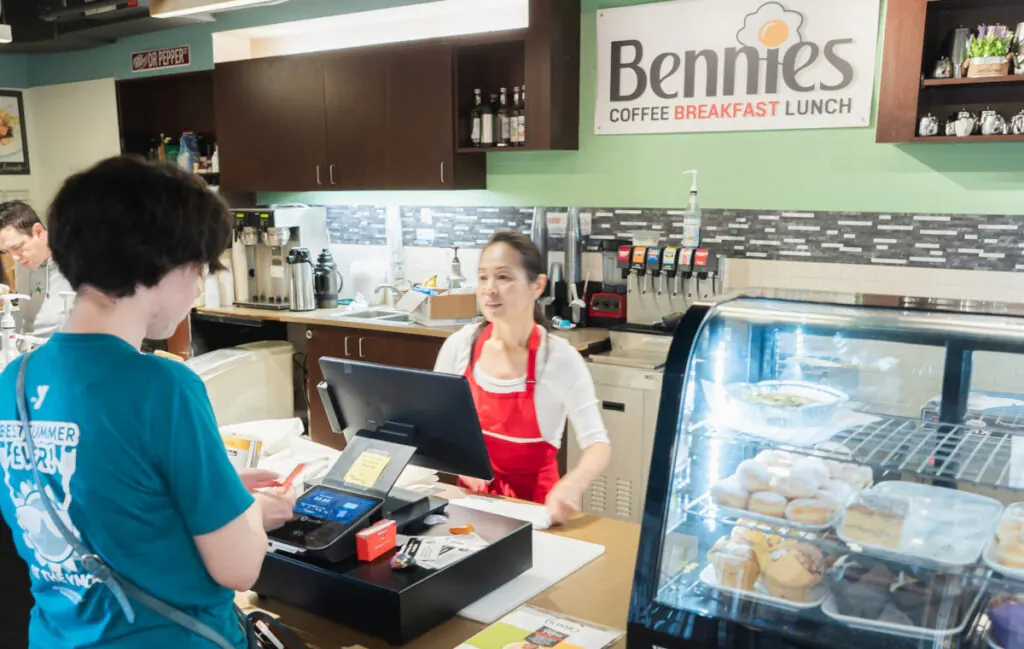
Monument, Colorado has the kind of setting that quietly shapes the way people want to eat and linger. The town sits between the pull of Colorado Springs and the slower, more residential rhythm of northern El Paso County, with mountain views, shifting weather, and a community that still values familiar faces. In places like this, cafes are rarely just fuel stops. They become part of the local routine, part meeting space, part refuge, part neighborhood anchor.
That is what makes the cafe scene in Monument worth paying attention to. The strongest spots do more than serve a competent latte or a decent breakfast sandwich. They understand that flavor and atmosphere work together. One can carry the other for a short while, but not for long. A beautiful room with weak coffee loses repeat business. A superb pastry in a loud, sterile space becomes a one-time purchase instead of a habit. The best cafes in Monument get that balance right, often in subtle ways.
Why atmosphere matters as much as the menu
People tend to talk about cafe quality in terms of food first, which makes sense on the surface. You can measure espresso extraction, bean freshness, crumb structure in a scone, or the ratio of eggs to bread in a breakfast burrito. Atmosphere seems fuzzier, harder to pin down. Yet in practice, atmosphere often decides whether customers stay seven minutes or seventy.
In Monument, that matters more than it might in a denser urban area. Many customers arrive by car. They are choosing to make a stop rather than stumbling into a storefront while walking past. That choice raises the standard. If someone is going out of their way, they want a reason beyond caffeine. They want comfort, ease, and a sense that the place fits the pace of their day.
A well-run cafe can create that feeling through details that are easy to overlook when they are done right. The music sits low enough for conversation. The seating includes more than one kind of customer in mind, a parent with a stroller, a remote worker with a laptop, two retirees catching up over drip coffee, a contractor grabbing something substantial before heading to a job site. Light matters too. Monument gets plenty of bright days, and cafes that make use of natural light usually feel more open and less transactional.
None of this is decorative fluff. It changes how food tastes and how people remember a place. A cappuccino in a warm, calm room feels more rounded. A pastry eaten near a window on a snow day leaves a stronger impression than the same pastry eaten under harsh lights beside a blaring grinder. Hospitality professionals know this instinctively, even if they never spell it out.
The local advantage, a town that rewards personality
Independent cafes in smaller Colorado communities often have one advantage over chain operations. They can reflect the place around them without running every decision through a corporate template. In Monument, that often means interiors with texture rather than polish for its own sake. Wood, brick, local art, stone accents, chalkboard menus, community flyers, and seasonal decorations can all work when they feel earned rather than staged.
There is also room for a more personal style of service. In a town where regulars come back several times a week, staff have a chance to remember names, usual orders, allergy preferences, or whether someone prefers their drink extra hot. Those moments create loyalty faster than any branding campaign. They also soften the occasional flaw. If the kitchen is running ten minutes behind on a busy Saturday but the staff communicates clearly and kindly, most customers will give grace.
This is where a search for a Cafe Monument, CO often leads people toward places that feel rooted rather than generic. Visitors may start by looking for convenience, but what they tend to remember is character. They notice whether a cafe feels like it belongs to Monument, or whether it could have been dropped unchanged into any suburban strip center in the country.
Flavor starts long before the plate arrives
Good flavor in a cafe setting is rarely the result of one dramatic choice. More often, it comes from discipline. Coffee must be dialed in throughout the day, not just in the first hour after opening. Baked goods need proper turnover. Savory items need seasoning that respects the whole dish instead of trying to shout from one ingredient. In a high-altitude climate, even basic baking demands adjustment, so consistency is an achievement, not a given.
The cafes that stand out in Monument generally succeed because they understand their lane. A breakfast-focused spot does not need an encyclopedic lunch menu if its egg dishes, pastries, and coffee are reliably excellent. A bakery-cafe can keep customers happy with a shorter savory offering if its bread, quiche, muffins, or cookies show real skill. Menus that try to do everything often end up blurring their own strengths.
Colorado diners also tend to appreciate freshness without fuss. They want ingredients that taste real, portions that make sense, and combinations that do not feel engineered for social media more than appetite. That can mean a house-made burrito with well-seasoned potatoes and green chile that has actual depth. It can mean avocado toast with enough acidity and crunch to avoid becoming paste on bread. It can mean a simple turkey sandwich whose bread is good enough to carry the whole meal.
Flavor has to meet the context of the day. Morning customers often want speed and clarity, coffee that wakes them up, breakfast that travels well, and a line that moves. Midmorning customers may be looking for a slower experience, a refill, a sweet bite, and room to read or work. Afternoon customers shift again, gravitating toward lighter fare, iced drinks, or a place to reset between errands. Smart cafes build menus that flex across those moods without losing coherence.
How design shapes behavior without announcing itself
Cafe design succeeds when customers can feel its logic without thinking about it. The room guides behavior. That starts at the entrance. People need a clear sense of where to queue, where to read the menu, and where to wait without blocking the door. If that choreography fails, even excellent products can get buried under friction.
Seating is another quiet test. A room filled only with tiny tables and upright chairs may photograph well but can become uncomfortable after twenty minutes. On the other hand, a cafe with nothing but oversized lounge seating may struggle to turn tables or support people who want to eat a full meal. The best Monument cafes usually mix formats. A counter seat near the window serves the solo customer. A two-top works for friends or quick meetings. A larger communal or family-friendly table gives the room flexibility.
Acoustics deserve more credit than they usually get. Hard floors, exposed ceilings, and lots of glass can look attractive while turning the space into a megaphone. In a mountain-adjacent town where customers often come in with jackets, boots, and kid gear, noise builds fast. Soft finishes, rugs, wall treatments, and thoughtful speaker placement can keep a cafe from feeling chaotic at peak times.
Temperature matters too, especially in Colorado. A cafe that feels cozy in January and airy in July earns trust at a bodily level. That sounds obvious, but it is one of the first things people notice when the room misses. Doors that let in a blast of cold air, drafty window seating, or overworked heating systems can pull attention away from the food. Customers may not describe that as an atmosphere problem, yet that is exactly what it is.
Monument’s climate changes the cafe experience
Seasonality shapes cafe life in Monument more than many businesses acknowledge. Cold mornings invite stronger coffee, richer pastries, and seating that feels sheltered. Summer brings iced drinks, patio use, and a more casual flow of customers dropping in after hikes, errands, or family outings. The shoulder seasons can be especially busy because they match Colorado’s habit of spending part of the day outdoors and part indoors.
That means successful cafes often adjust not just menu items but the mood of service. In winter, people are more likely to settle in, especially during snow or wind. A room that can hold warmth, visually and physically, becomes valuable. In warmer months, turnover may pick up, and customers may appreciate grab-and-go options, cold brew on tap, or food that feels lighter without becoming unsatisfying.
Local operators who understand this rhythm can make small moves with big impact. Rotating baked goods with the season, shifting condiment stations, adding patio shade, or changing a soup offering can all influence how the cafe feels. None of these changes need to be flashy. In hospitality, competence often looks simple from the outside.
Coffee quality is expected, but hospitality is remembered
Most customers now walk into a cafe expecting drink quality that clears a basic specialty standard. They want espresso that is not burnt, milk that is textured properly, brewed coffee that tastes fresh, and iced drinks that are balanced instead of watery. That baseline matters, and cafes that miss it rarely build strong word of mouth.
But in communities like Monument, hospitality usually determines who earns regulars. A staff member who catches confusion at the register and gently makes a recommendation helps more than a menu board full of jargon. A barista who can move quickly without rushing people creates calm. A manager who checks the dining room and clears tables before they become a problem keeps the room welcoming for everyone else.
There is also Cafe Monument, CO real value in reading the room. Some customers want a brief, friendly exchange and then quiet. Others are clearly looking for connection. Skilled cafe teams know how to offer both without forcing either. That judgment is harder to train than latte art, but it matters just as much.
One of the more common mistakes in cafe service is overperforming friendliness in a way that delays the line or feels scripted. Monument customers, like most people, can tell the difference between warmth and routine. Natural service tends to be specific. “Your usual?” feels personal. “How’s your day going?” repeated identically fifty times can disappear into the background.
Food that fits the setting tends to win
Cafes succeed when their menus make sense for how people actually use the space. Monument’s customer mix is broad, which creates a tricky balancing act. Some guests want a proper breakfast, others a pastry and coffee, others a dependable lunch, and plenty are looking for a snack between activities. The strongest menus respect that variety without becoming unfocused.
Portable items matter more than some owners think. Breakfast burritos, hand pies, muffins, Cafe Monument, CO bagels, and sturdy sandwiches can carry weekday business because they fit a commuter’s routine. Sit-down dishes matter too, especially for weekends and social occasions, but they should justify the extra time with either better flavor, stronger presentation, or a more satisfying portion.
There is also a practical truth about altitude and appetite. In many Colorado towns, especially those serving active residents, customers appreciate food that is flavorful and wholesome but not austere. They may want whole grains, local ingredients, or vegetarian options, yet they still expect enough substance to get through a morning. A tiny, delicate plate that might work in a trendy city neighborhood can feel underpowered here.
When cafes match food to setting, the whole business gets stronger. A cozy dining room supports slower breakfast plates. A busy counter service model benefits from fast-moving baked goods and efficient sandwiches. A mixed-use space with strong Wi-Fi needs menu items that can survive a little time on the table without turning limp or messy.
What regulars notice that first-time visitors often miss
First-time guests tend to focus on visible cues, decor, line length, menu appeal, maybe the pastry case. Regulars judge differently. They notice consistency. They know if the drip coffee tastes weaker on Mondays. They can tell whether portions have quietly shrunk. They remember whether the bathroom stays clean during the rush. They notice if the playlist gets harsher when the room fills up.
That consistency is where many cafes either deepen their reputation or lose it. A beautiful launch can create buzz, but only repetition creates trust. In a town the size of Monument, reputation travels quickly through schools, churches, gyms, neighborhood groups, and local social circles. A cafe does not need to be perfect. It needs to be reliably good, and honest when it falls short.
Regulars also respond strongly to signs that an owner or manager is paying attention. Fresh flowers at the counter, a repaired wobbly table, a winter menu adjustment that reflects what customers actually order, those small choices signal care. Customers may never mention them directly, but they feel the difference.
The trade-offs every cafe has to make
No cafe can optimize every variable at once. More seating can reduce queue space. A bigger menu can slow ticket times. House-made components can improve flavor while raising labor costs and inconsistency risk. Quiet ambiance can be hard to preserve during weekend peaks. Patio seating can boost appeal in good weather but sit empty during wind, rain, or cold snaps.
The smartest operators choose trade-offs intentionally. They know what they are trying to be and what they are willing not to be. A cafe that wants to serve as a community gathering place may accept a little more noise in exchange for warmth and flexibility. A coffee-first shop may keep food simple to protect speed and beverage quality. A bakery-cafe may lean into morning volume and accept a softer afternoon.
Customers usually forgive trade-offs when the identity is clear. They get frustrated when the experience feels confused. If the room invites people to stay but the staff acts like every laptop user is unwelcome after twenty minutes, the message clashes. If the menu promises craft but the execution is rushed, trust slips. Clear priorities make the atmosphere feel coherent.
Why Monument’s best cafes feel memorable
Memorable cafes rarely depend on one dramatic signature. More often, they layer competence with character. The coffee tastes right. The pastry is fresh. The room feels settled. The chairs are comfortable enough. The staff reads people well. The menu fits the hour. The music stays in the background. The whole place gives the impression that someone thought carefully about how people would move, eat, talk, and return.
That is the blend Monument does especially well when its cafes are at their best. The town does not demand spectacle. It rewards places that understand pace, comfort, and community. Residents want quality, but they also want ease. Visitors want local flavor, but they also want familiarity in the best sense, a room that welcomes them quickly, without trying too hard.
A strong cafe in Monument is not just selling coffee or lunch. It is shaping a daily ritual. For the parent after school drop-off, the retiree meeting a friend, the remote worker trying to escape the house, the couple spending a snowy morning out, the cyclist grabbing a bite after a ride, the cafe becomes a kind of small civic space. Flavor gets people through the door the first time. Atmosphere gives them a reason to come back.
When both are handled with care, the result is more than pleasant. It becomes part of how a town knows itself.
Bennies Cafe
17230 Jackson Creek Pkwy Ste 100, Monument, CO 80132
+1 719-445-0660
FAQ About Cafe Monument, CO
What is considered a café?
A café is generally an informal place to enjoy refreshments and a meal. Bennies Cafe in Monument serves breakfast and lunch in a counter-service setting, with options including eggs Benedict, sandwiches and crepes. Guests can eat in or arrange pickup.
What is the difference between a coffee shop and a café?
The terms often overlap. A coffee shop usually emphasizes coffee and other drinks, while a café may offer a broader food menu. Check the individual establishment's menu rather than relying on its name. Bennies Cafe offers coffee drinks alongside breakfast and lunch dishes.
What is the difference between café and coffee?
In everyday English, a café is a place where people buy food and drinks, while coffee is the beverage. The word café comes from the French word for coffee. Bennies Cafe serves options such as brewed coffee, espresso and lattes as part of its drinks menu.